ActivePulsePoint.com
 Easy Healthy Eating: Top Foods for Beginners
Embarking on a journey to improve your diet can be daunting, especially for beginners. With so much information available, it’s crucial to start with the basics to establish a foundation for a lifelong healthy eating habit. This article delves into the top foods that are not only nutritious but also easy to incorporate into your daily meals. We’ll provide practical tips and answer common questions to help you on your path to better health.
Understanding the Basics of Healthy Eating
Healthy eating involves choosing a variety of foods from all the food groups: fruits, vegetables, proteins, grains, and dairy. The aim is to get a wide range of essential nutrients that your body needs to function optimally.
A good rule of thumb is to focus on whole, minimally processed foods. These foods are closer to their natural state and typically contain more beneficial nutrients and fewer harmful substances, such as excessive salts, sugars, and trans fats.
Why Start with Whole Foods?
Whole foods are packed with fiber, vitamins, and minerals, crucial for maintaining a healthy body and preventing diseases. They also provide more prolonged energy sources, helping you feel full longer and reducing the likelihood of overeating.
Top Foods for Beginners
Fruits and Vegetables
Fruits and vegetables are foundational to a healthy diet. They are high in fiber, vitamins, and minerals, with relatively low calories. Beginners should aim to have a variety of colors on their plate, as different colors often represent different nutrients.
- Leafy Greens: Spinach, kale, and Swiss chard are rich in iron and calcium.
- Cruciferous Vegetables: Broccoli, cauliflower, and Brussels sprouts offer high amounts of vitamins C and K.
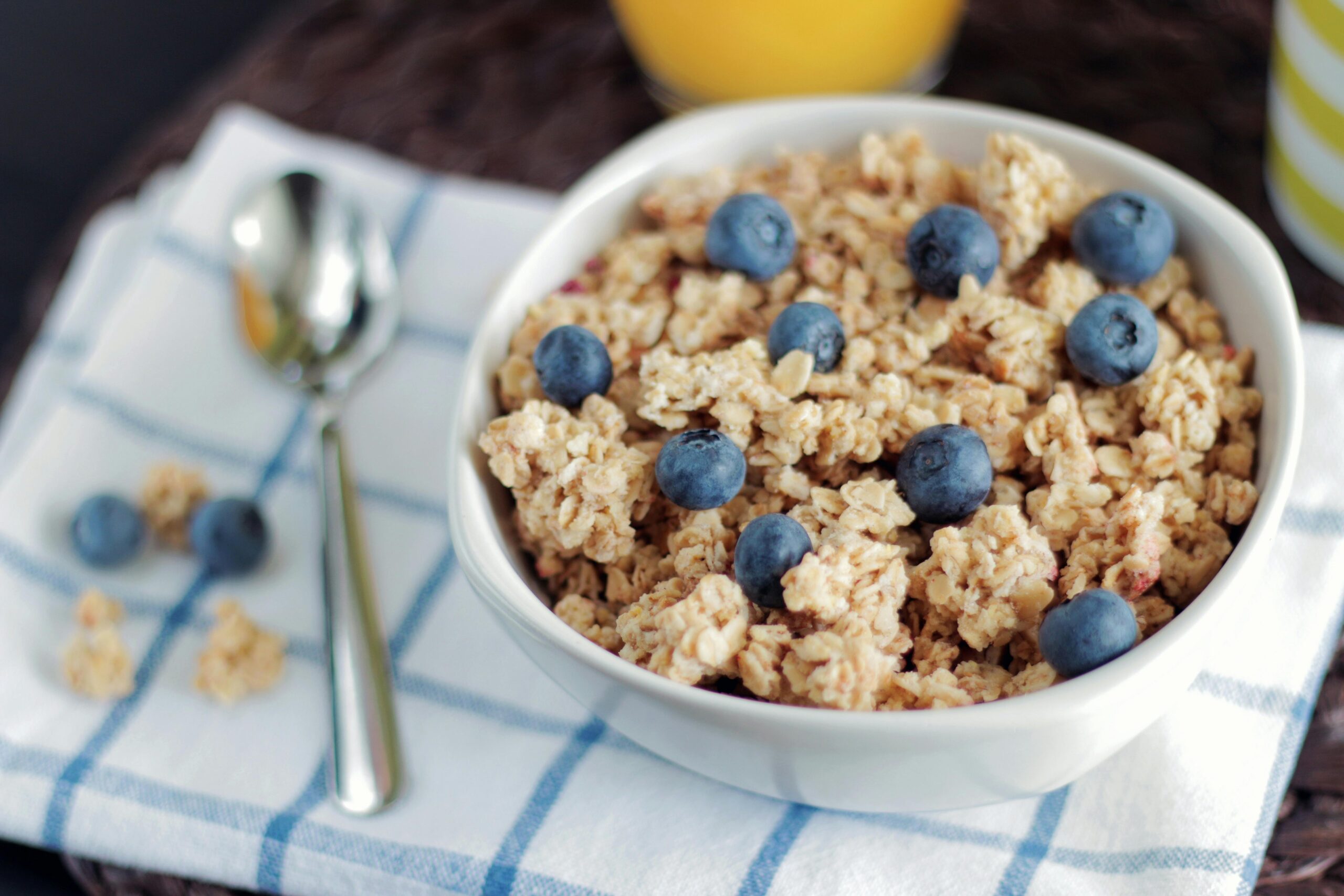
- Berries: Strawberries, blueberries, and raspberries are excellent sources of antioxidants and fiber.
Lean Proteins
Proteins are essential for muscle repair and growth and play a crucial role in other bodily functions. Incorporating lean proteins into your diet can help manage weight, enhance muscular health, and stabilize energy levels throughout the day.
- Poultry and Fish: Chicken, turkey, and fish such as salmon and tuna are excellent lean protein choices with added omega-3 fatty acids in fish.
- Plant-based Proteins: Beans, lentils, and chickpeas are great alternatives for vegetarians and provide essential fibers and proteins without the fat.
Whole Grains
Whole grains include all the essential parts of the grain, providing your diet with an excellent fiber source, which can help improve cholesterol levels and lower the risk of heart disease, stroke, and type 2 diabetes.
- Quinoa, Brown Rice, and Oats: These grains are versatile, easy to cook, and can be a staple base for many meals.
Dairy or Alternatives
Dairy products and their alternatives can be significant sources of calcium and protein. For those who are lactose intolerant or vegan, there are numerous non-dairy alternatives that are fortified with calcium and other nutrients.
- Yogurt and Kefir: These fermented dairy products contain probiotics, which can aid in digestion and strengthen the immune system.
- Almond and Soy Milk: Non-dairy milk alternatives can also be enriched with vitamins D and B12.
Integrating Healthy Foods into Your Diet
Starting with simple changes is key. Incorporate a fruit or vegetable with every meal, switch from refined products to whole grain options, and choose lean proteins. Preparing meals in advance can also help maintain your new eating habit and reduce the temptation to indulge in less healthy options.
Common Questions About Healthy Eating
How Much Should I Eat?
Portion sizes vary depending on calorie needs, which can be influenced by age, sex, and physical activity level. A useful method is using the plate method: fill half your plate with fruits and vegetables, a quarter with lean protein, and the remaining quarter with whole grains.
Is Snacking Allowed?
Snacking isn’t just permissible; it’s encouraged! Eating small, nutrient-rich snacks between meals can maintain energy levels and prevent overeating. Opt for snacks like nuts, yogurt, or fresh fruits rather than high-sugar or high-fat snacks.
Will I Have to Give Up My Favorite Foods?
Absolutely not! Healthy eating isn’t about restriction; it’s about balance. Occasionally enjoying your favorite foods is perfectly fine. The key is moderation and making sure that nutritious foods make up the majority of your diet.
Conclusion
Embarking on a healthy eating journey doesn’t have to be overwhelming. By incorporating these foundational foods into your diet and making small, manageable changes, you set the stage for a lifetime of better health and improved well-being. Remember, the transition to healthier eating is a journey, not a race. Take it one meal at a time and enjoy the benefits that each nutritious bite offers.